Meal planning used to be a big part of my regular routines. I would find a recipe, make a grocery list of all the items I needed for the week, go shopping, and then do most of my preparation on the weekends. With these systems in place, I had quick and easy meals to eat throughout the week. This really felt like it served me well for a season, and certainly if you feel it works for you, go for it. However, maybe you find yourself in a season (or in my case the last 5 years without any thought of going back) where searching for and planning meals, making a list, obtaining the items, and then finally getting to the point where you actually make the food feels like too many things to check off the list just to meet a basic need in life.
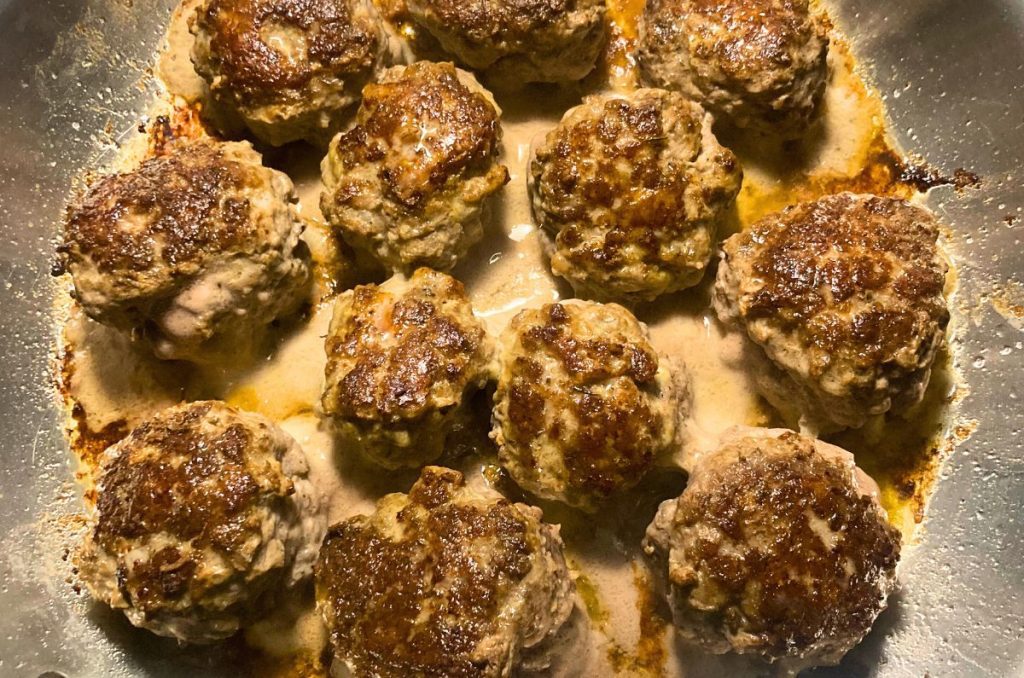
Over the past 5 years, I have found a rhythm that allows me to cut out the majority of these steps which has lightened both the physical work and the mental load of putting food on the table. There could be a variety of reasons why you’re feeling ready for this change. For me, it was more of a natural life shift than a conscious decision or because I felt burnt out by the meal planning system. The change happen when I met my husband.
Benefits of Not Meal Planning
When I met my husband, I was all about routines and schedules, and they served me pretty well. Then entered this man who is the epitome of taking life as it comes to you. It felt like a breath of fresh air to let go of some of my schedules and routines, especially when it came to preparing food. Since we met during the pandemic, we spent a lot of time grocery shopping and making meals together which brought back the joy of creating meals rather than just planning them.
As the years have passed since then, I have adapted the system to fit our season of life many times. I encourage you to do the same. The framework below is just a set of rhythms that you can adjust to fit your unique situation. I simply can’t imagine going back to to the “meal prepping” stage of life. Here are just a few of the benefits I have seen as we’ve implemented these rhythms.
It Is Just Plain Simpler: I love to simplify daily tasks, especially one that needs to be done multiple times a day. By taking out the planning steps out of preparing meals, there are simply less steps to the process which frees up time and energy for other pursuits.
We Actually Enjoy What We Eat: Ever go through all the work of researching, planning and making a meal, only to find that you’re not really in the mood to eat it or it just doesn’t sound good by the middle of the week? Yet, you know that you went through all the work of planning, making, and spending hard-earned money on the ingredients, so there you are left with two options: choke down the food or spend more money to eat out or make something else. Cutting back on most of the planning allows me to make the food we crave and are hungry for which not only nourishes the body but also the soul.
We Eat Healthier: Instead of falling prey to cravings by eating out or choosing something less nourishing in your home after making a meal that doesn’t sound good, I now have the freedom to make what we are are craving. For example, I had some ground beef last night that I had planned to make into burgers. However, when dinner came around, that didn’t sound good. We instead were craving Mexican food, so we turned it into taco meat along with rice and had burrito bowls instead.
I Spend Less Time in the “Kitchen”: Overall, I feel I spend much less time thinking about and preparing food this way. I’m not consistently searching for new recipes or spending time reading recipes. Instead I’m able to just source the food and cook it.
It Saves Money: By eating out less, purchasing simple ingredients, buying in bulk, and shopping for in seasons foods that are on sale, we save a lot of money on our food.
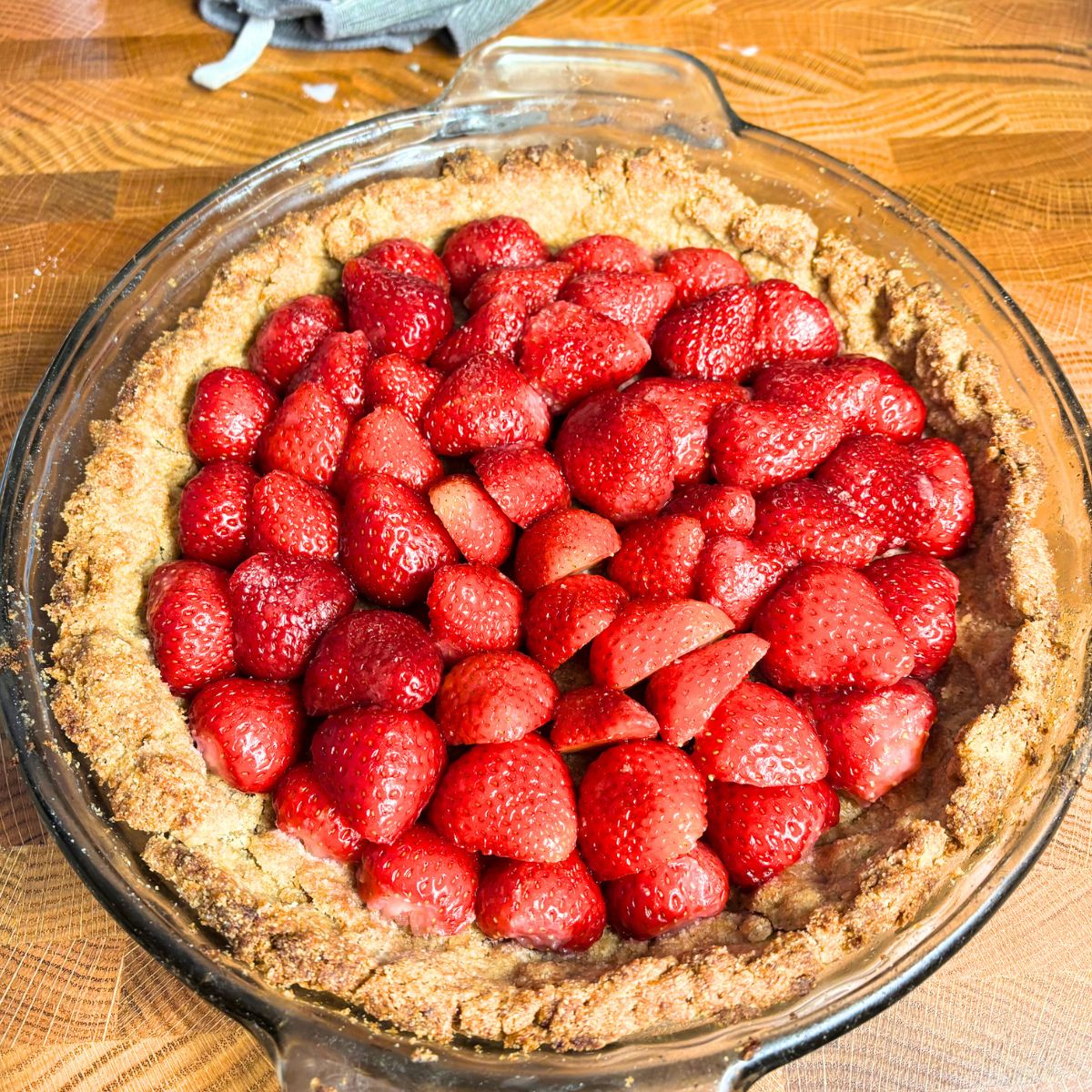
Food Is Meant to Be Enjoyed Not Another Item to Check Off The To-Do List
As with many things in life, meal preparation has become yet another thing to schedule which has turned something that we used to “experience” into something we have to “do”. Now, I am not saying cooking and making meals is always a glamorous and beautiful experience because there are definitely still times where I’m tired, feeling uninspired and just have to get something on the table. I do believe though that cooking and preparing meals for yourself and others should not always be drudgery or another item to check off your to-do list.
In a world where we have become so disconnected from what is in our food, how it’s grown, and where it comes from; we have stripped away many of the wonderful qualities of actually enjoying food. For many people, it is something to grab quick before we run out the door to the next thing. My hope is that this way of food preparation becomes more intuitive and natural rather than another 20-step recipe to figure out and follow after a long day. I hope that cooking, eating, and sharing meals becomes a sacred place where food, nature, and your body intersect to nourish not only your body but also your soul.
Creating Meals Rather Than Planning Them
I will start off by giving you a general framework for how I shop and obtain ingredients for a week of cooking, but first I will start with what a typical meal looks like. It is really quite simple and most often looks like some kind of protein (meat or eggs) paired with a carbohydrate (fruits, starches, grains) and then I add in spices, sauces, and seasonal fruits or veggies to dress it up.
With this framework in mind, my grocery shopping becomes quite simple. I always keep a large stock of shelf stable items like rice and wheat berries (we mill our own grains but you can also just keep flour on hand). This also includes the spices and seasonings that I use most often.
We also buy our meat in bulk (think whole cows, pigs, and chickens). You can also just get your meat on a weekly basis according to sales. Typically I will pull out all the meat I need at the beginning of the week to thaw. Sometimes I have specific meals in mind while other times I just pull out whatever meat needs to get used up and wait to figure out a plan for it later. I often use quick-thawing cuts like ground beef earlier in the week and then use roasts and steaks later in the week so they have more time to thaw completely.
With the two most nutrient dense and filling components of the meal already in place, this is where there is a lot of flexibility to add seasonal ingredients and flavors to the dish. Dress the meal up according to your cravings.
If it’s fall, I might add squash or apples. During the spring and summer, there is no shortage of fresh fruits and vegetables (sweet corn, peas, green beans, peppers, tomatoes, fresh herbs, etc). In the winter, I rely more heavily on things that can be stored for longer periods of time such as potatoes, squash, carrots, onions, and any other extras that we may have preserved from the summer such as frozen fruits or vegetables.
To give you a practical example, let’s return to the taco bowls we made yesterday. Since I already had some rice soaking, we decided to go with taco bowls but we also could have made tortillas if we didn’t want the rice (I just find another meal to incorporate the rice if it’s already soaking or cooked). We almost always add some kind of dairy (cheese, sour cream, yogurt) to this dish regardless of the time of year as well. During the winter, this dish would rely more heavily on preserved ingredients such as canned salsa and dried herbs. However, since it’s currently summer and we had just gotten some mangoes on sale, we chopped those up along with fresh tomatoes and cilantro from the garden. Strategies like these help keep us from getting tired of eating tacos. Change up, add, or subtract a few ingredients and you have created a dish just different enough to provide variety.

Important Tips For Creating Meals
Learn the Basics: Rather than a whole host of different recipes to follow or memorize, learn some of the basics of cooking. This includes skills such as how to make gravy, a roux for soup, bread, tortillas, rolls , the components of a salad dressing, and the components of creamy sauce. These simple skills will allow you to make many different dishes with simple and cost effective ingredients.
Cook With Simple Ingredients: Speaking of simple ingredients, this is the key to versatility in the kitchen. When you buy single ingredient items like rice, beans, flour, and dairy; you can prepare and season in so many different ways. It is also worth noting to try to buy the high quality food you can afford as organic food and pasture-raised meat and dairy contain more nutrients and are more filling which will continue to help stretch your dollar
Find Your Go-To Recipes and Stick With Them For A While: I think a lot of people get burned out in the kitchen by feeling like they need new recipes every single week. What I have found works better is to have 5-10 dishes that you feel very confident in making without a recipe. You can rotate these and change them up as described above. This removes the time and mental energy it takes to learn a new recipe all the time. You may even find yourself excited to try a new recipe every few weeks.
Some Batch Prep Time Can Be Helpful: While it is not necessary to do batch preparation for this style of cooking, I still like to do some if I can because my energy wanes as 4-5pm rolls around. For me this look like pulling out meat to thaw, soaking and/or cooking a batch amount of rice to add to different dishes throughout the week, or preparing a few different doughs (breads, tortillas, pizza crusts, etc). Do whatever works best and feels manageable according to your schedule.
Make Extra and Eat Leftovers: This is my way around cooking every meal every day. Even though, I enjoy cooking, I want to maximize my time in the kitchen so I’m not cooking all day every day. For this reason, I make double or triple the amount of a meal. This allows me to cook just four times per week. I make dinner Monday through Thursday nights making sure to make extra. By doing so, I now have enough food to not only feed us lunches through the week but also to eat leftovers on the weekends freeing up the weekends for other fun activities.
I hope that this provides with a new framework for how to approach food preparation. It is truly meant to be flexible for whatever your schedule may look like. Adjust and make changes according to what works best for you. I would love to hear how you are putting this into practice in your own kitchen in the comments below!
Simple Recipes To Bring Back The Joy in Cooking
Homemade Pork Breakfast Sausage
Leave a Reply