The slow food movement began in the 1980s in response to a McDonald’s being built at the base of the Spanish steps in Rome. Italians, a people that prides itself on exquisite cuisine and fine dining experiences that span several hours made the decision to not allow fast food to consume their culture the way it had so many other nations.
While modern Italy has fallen prey to some fast food culture, it is viewed as the birthplace of the resistance to fast food.
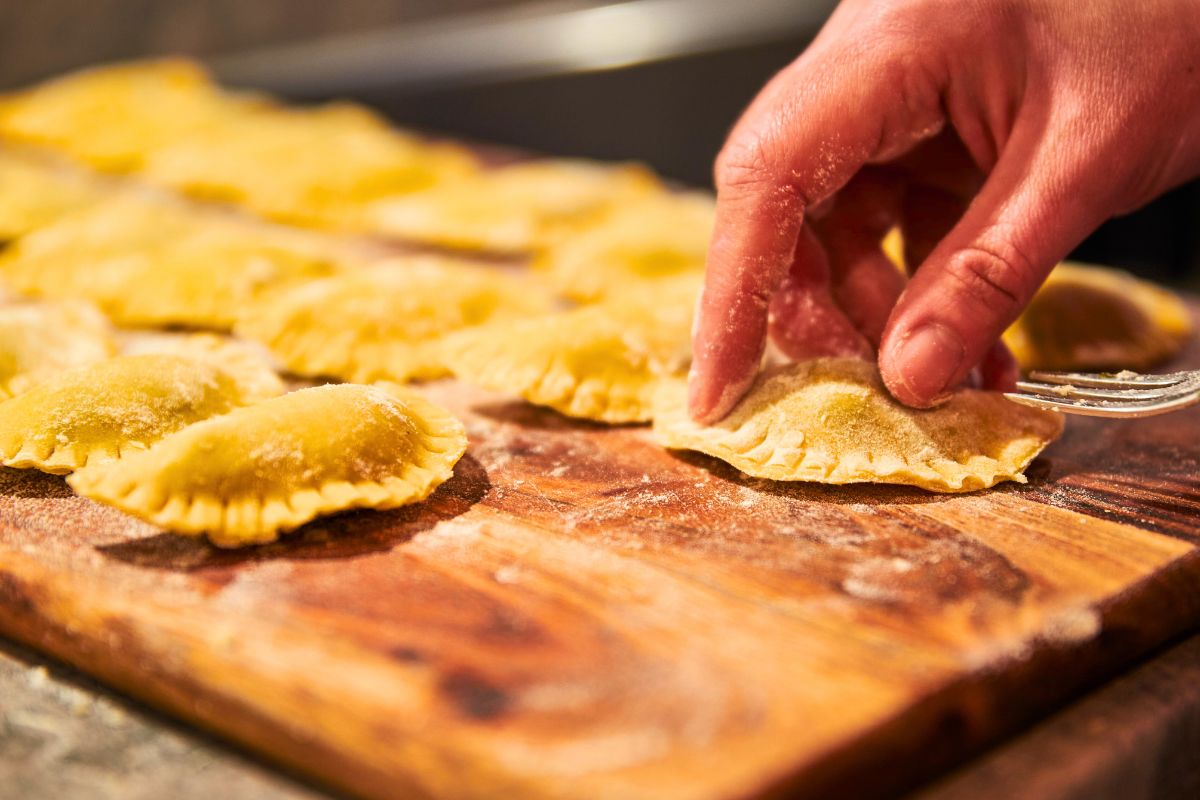
Unlike the Italians, the slow food movement was something I stumbled upon for health reasons. While it has undoubtedly had a profound impact on the health of both my husband and I, it has enhanced our lives in so many other ways outside of our health. In fact, as of this writing, we haven’t even fully reached the health goals we set when first beginning to embrace slow food. What we have accomplished is a lifestyle that feels nourished from the inside-out for a variety of reasons.
What Is Slow Food?
Okay, definition time. The slow food movement focuses on local, organic, heritage, and artisanal methods for growing and and preparing food. Meaning that food is sourced from local farmers who use organic practices to raise heritage seeds and breeds of plants and animals. Then, the the food is prepared using traditional methods and recipes that have been passed down for generations
This is a stark contrast to the practices of modern agriculture which focus on mono-cropping, pesticide use, and shipping similar, shelf-stable products all around the world.
Food Supply Invasion
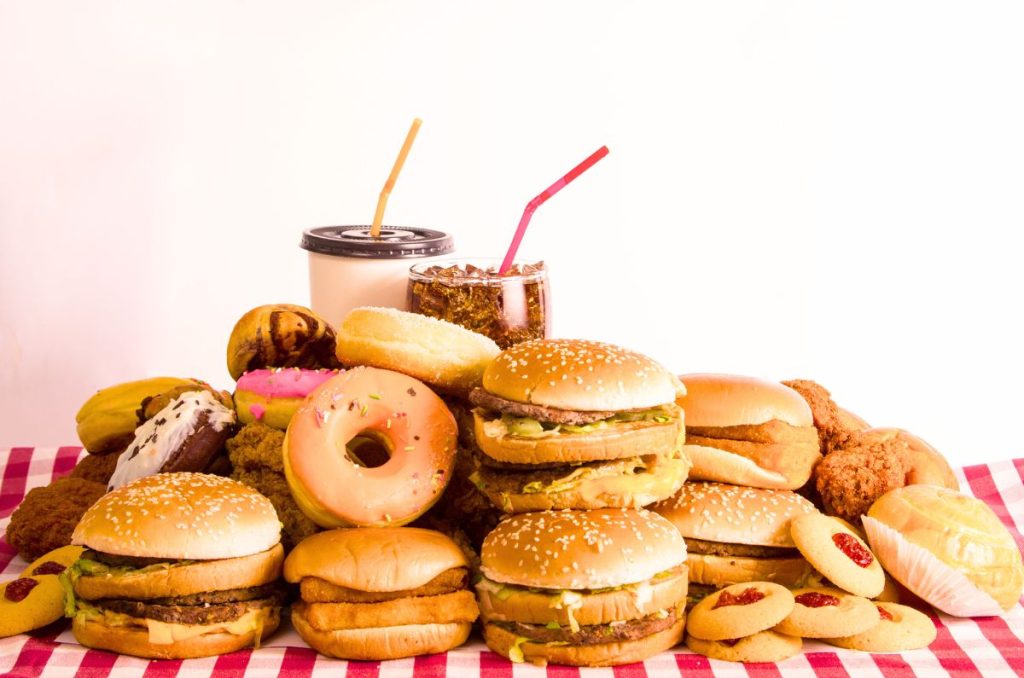
We often hear of the dangers of processed foods. There are likely very few people today who would argue that highly processed foods are a health hack. While there are a number of things that have led our food supply to the place it is today, perhaps one of the most impactful factors is hurry.
As women went to work after World War II and the advertising industry took a huge leap forward, food started to be marketed not for its nutritious benefits but rather for the speed and ease of its preparation.
Women were, and for the most part still are (there are definitely exceptions), the primary cooks in the home. That did not change much as women first started working part-time and now full-time jobs. What did change was the amount of time women had in the day to put a meal on the table, so families everywhere began a search for a way put meal on the table faster and with less effort.
Enter, the fast food movement.
Unfortunately, that commitment to hurry has come with a myriad of consequences.
The hurry that has taken over our food system is now taking its toll on our bodies, minds, environment, and the economy.
Let’s take a look at some of the consequences and how the Slow Food movement is working toward a remedy.
Slow Food For The Experience
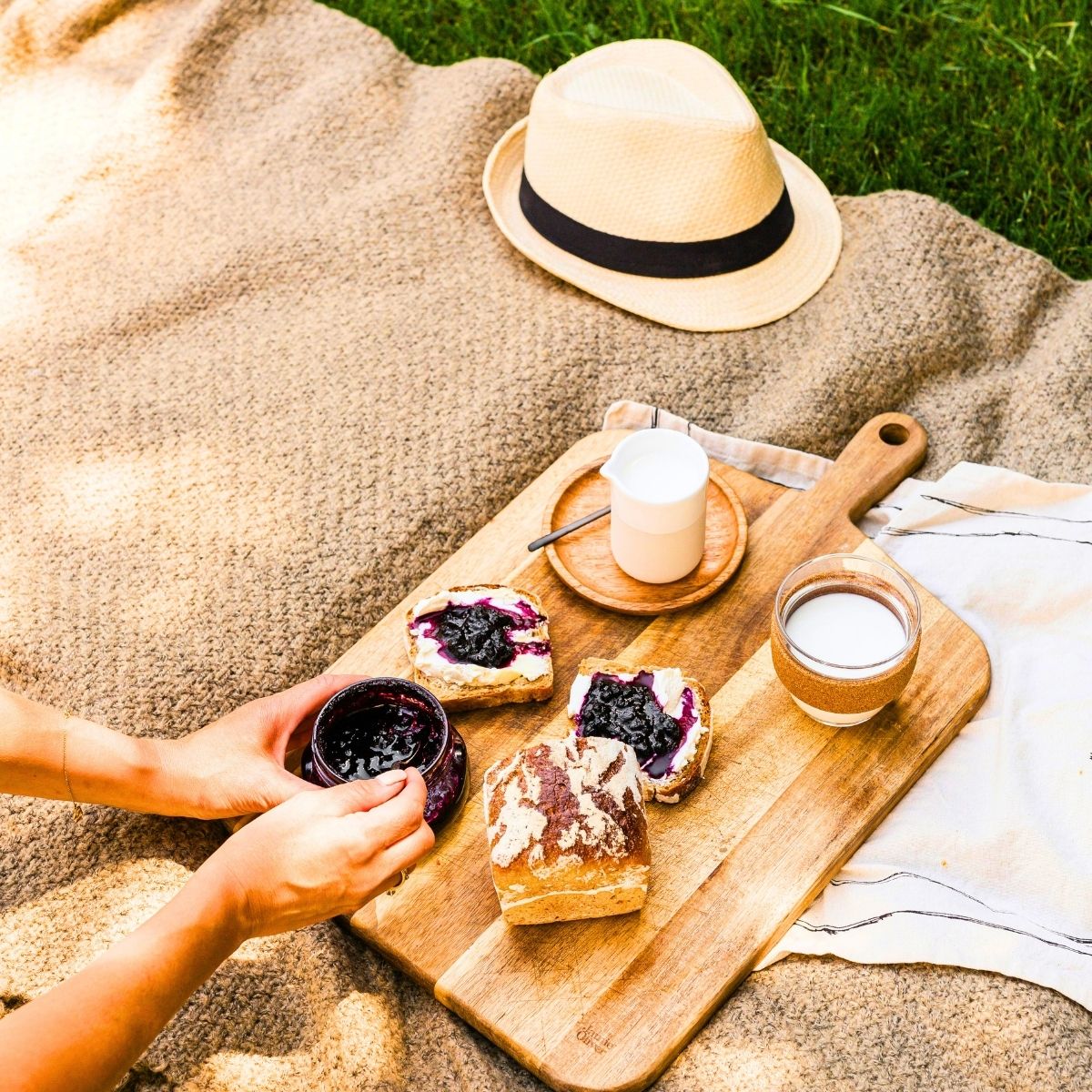
The experience that is created by slow food is the heart of the movement. It was simply meant to bring more pleasure back to the eating a dining experience. A respite throughout a day filled with tasks and to-do lists.
Practicing a slow food experience allows a chance to breath, enjoy something delicious that will fuel not only your body but also your mind to work and interact with energy and purpose throughout the rest of your day.
This, I would argue is the most important benefit of slow food. While it has been one of the last things I have fully come to understand and embrace, it is truly the most impactful advantage of the practice.
We have crammed our schedules so full of work and activities that we hardly make time to sit down with people we love or even just to take a break from work for lunch. What that has created are tense relationships and unproductive work.
Many report increased focus and productivity after physically leaving their office to eat. This could be something as simple as eating in a break room or going outside to eat on a bench. Wherever you go, step away from your work and leave your phone behind. Your brain and body will appreciate the rest.
Slow Food For Health
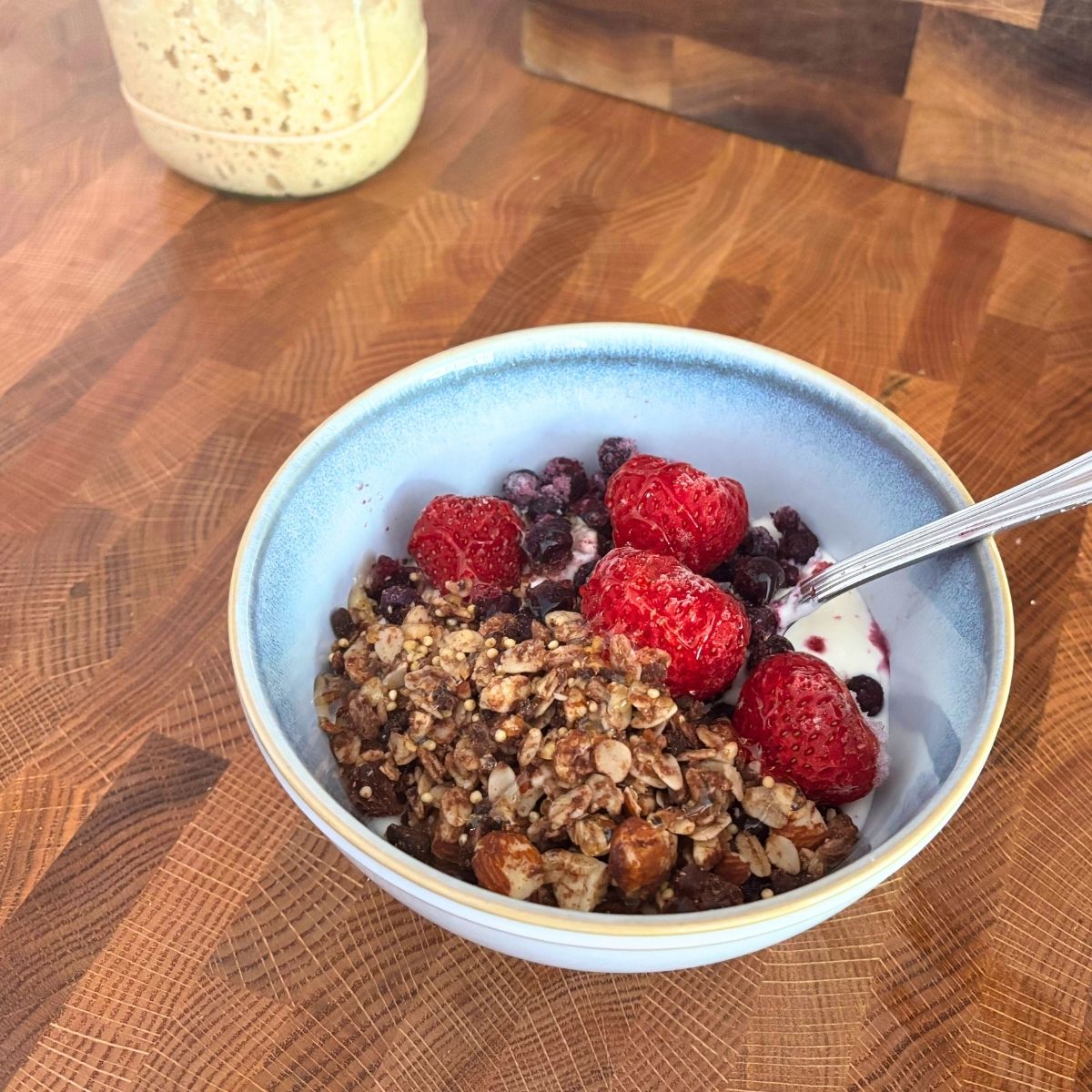
Health was the initial reason that my husband and I became interested in slow food. My husband and I were both experiencing signs of less than ideal health in our late 20s. Through a desire to limit our reliance on westernized medicine and a little bit of research, we learned how much the food we put into our bodies has an impact.
I think we all have a sense of this. For the most part I was someone who followed standard medical advice when it came to diet prior to slow food. I tried to limit processed foods, saturated fat, and large amounts of sugar. Yet, I was still having issues. This led me to dive deeper into whole foods in their most natural form.
What I discovered both in research and in practice with my body was that we were lacking real, nutrient-dense foods.
Once we began to focus on getting as many nutrients as possible from our foods, it became abundantly clear that those sources were from organic, grass-fed, and pasture-raised sources. The slow nature of these practices literally draws the nutrients from the earth to the food which then is absorbed by the body.
A beautiful ecosystem specifically designed to nourish and serve one another.
Slow Food For The Environment
Speaking of ecosystems, it is no longer a secret that practices like mono-cropping, use of chemical fertilizers, and industrial animal feed lots are taking their toll on the environment.
The planting of limited varieties of corn and soy alongside over-tilling and the use of chemical fertilizers are stripping and degrading the earth’s soils. Vital nutrients and micro-organisms are being destroyed through these practices.
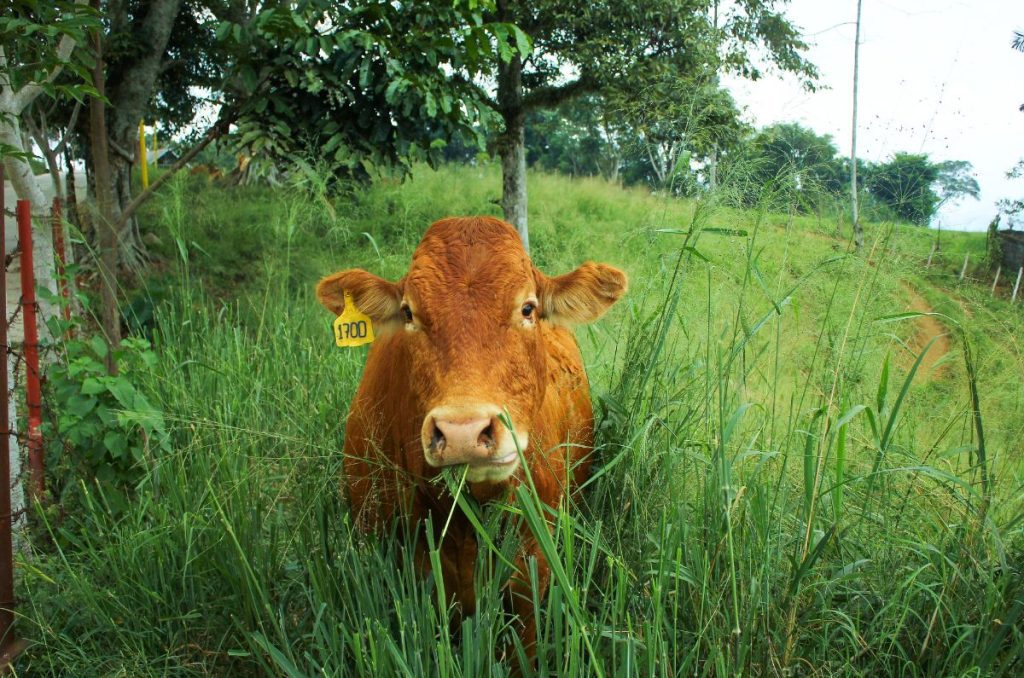
The raising and treatment of animals on the industrial level is no better. Animals are raised in ways that are designed to help them put on as much weight as fast as possible. They are confined to cramped, stressful spaces where they are fed corn and soy which are not something they normally eat much of in the wild. This leads to meat that is flavorless and often times even dangerous since these animals are more susceptible to illness and are processed in large factories where care and cleanliness are hard to practice on a mass scale.
Plants and animals raised in coordination with the world’s ecosystems, on the other hand, tend to be healthier, more nutrient rich, and more flavorful. The subtle hints of what type of food the animal was raised on can actually be detected in its meat. The same is true of a squash raised in a nutrient-rich regenerative soil versus one injected with chemical fertilizers.
Slow Food For The Economy
While there are many more benefits to Slow Food, the last one we will discuss here is the impact on the economy. Large-scale farms are often government-subsidized and the food is purchased by large corporations to be processed in industrial factories and shipped all over the world.
This creates a huge disconnect with the food we eat. You can get the same Big Mac in both the middle of nowhere South Dakota and the bustling streets of a European city. It is not the common factory worker that benefits from these fast food practices, but the large corporation owners.
Slow food, on the other hand, brings the benefits back to your local economies. The farmer down the street who takes great pride and care with how he handles his produce, raw dairy, and animals because he doesn’t want to make his neighbor sick, not to mention it’s bad for business.
Yet, when a recall occurs on tainted pasteurized milk or spinach (which happens way more frequently by the way), there is a law suit and some giant company takes a minor hit that doesn’t really hurt that bad which in provides no incentive to improve their practices.
I hear the argument often that organic and well raised food is too expensive. While this is true, especially for organic convenience snack foods, there are also a lot of cases in which this isn’t true.
We have been able to get great bargains on produce, shelf-stable items like grain and rice, and even meat by talking with local farmers and buying in bulk.
Pick and choose what foods you eat most and focus on those first. Then, if your budget allows, you can expand it to include those food which you eat with less frequency.
Slow Food Is A Way Of Life
The culmination of all these benefits has led us to a point where it would be hard to imagine eating any other way. We simply love the taste and experience that our food provides. We enjoy chatting with local growers and visiting their farms, the vibrant flavors of food raised with care, and above all cooking and enjoying a meal together after a long day.
Embrace slow food.
You won’t regret it.
Slow Food Recipes You Might Enjoy…
Homemade Pork Breakfast Sausage
Leave a Reply