When I first heard about the concept of homesteading a year ago, it seemed necessary to have large amounts of land and animals in order to be able to homestead. Looking back, I am amazed by all the homesteading skills we have accomplished in just one year of this journey.

While we still don’t have land of our own, there are several skills that we have learned that have not only made us more self-sufficient but have also benefited our health in big ways! The list below consists of just a few of the major skills that we have learned over the past year. It should also be noted that we learned and experimented with so much more! We have also had the opportunity to research what type of land we would want and begin to think about and research the types of plants we would like to grow and animals we would want to care for. This first year of homesteading has been one of a great deal of learning which has us excited for year 2!
10 Skills Learned in my First Year of Homesteading
1.Tallow:
Up first on the list of homesteading skills was the discovery of tallow. Tallow is rendered beef fat and has a number of wonderful uses. We render our own tallow from what we get from purchasing a half cow. Its most obvious use is in cooking. Tallow has a high smoke point which means it won’t oxidize at high temperatures like industrial seed oils. We use it most often when cooking meat as it does have a bit of a unique flavor great for meat but we think is less ideal for things like eggs and veggies.
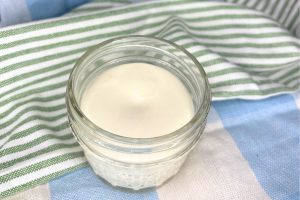
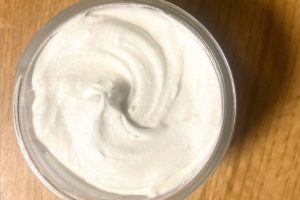
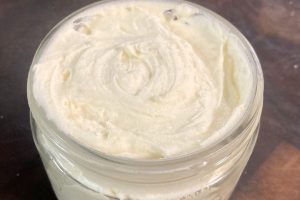
In addition to cooking, tallow is a great option for personal hygiene products. My favorites are body butter lotion and face lotion. I struggled with dry skin for years, especially during harsh dry midwestern winters, until I started using tallow as a moisturizer. I haven’t had any problems since!
2.DIY Hygiene Products:
Commercial hygiene products are some of the worst offenders of toxic chemicals Many of them contain petroleum products and phthalates which are known hormone disruptors. Not only has making our own personal hygiene products helped eliminate toxins but it has also improved my skin, hair, and teeth. Tallow face cream and lotion eliminated my lifelong battle with dry skin.
While lotion has been my favorite personal hygiene products to make, I have also ventured into making our own remineralizing toothpaste, non-toxic sunscreen, dry shampoo, chapstick and hair styling cream that my husband uses in replacement of commercial hair gel.
3.Sourcing high quality food:
Our diet is what led us to an interest in homesteading. A flare up of my husband’s Crohn’s disease is the reason we began searching for alternative foods and methods of treatment outside of traditional western medicine. Over the course of 3 years, we have made drastic changes to the way we eat and how we source our food.
For starters, we try to eat as naturally and holistically as possible, meaning we eat whole foods that are free of preservatives, industrial oils, and processed sugar. In an effort to know what ingredients are in our foods, we have switched to shopping more locally. We enjoy being able to talk with local farmers and visiting their farms in order to learn how they raise their food. Since we primarily shop locally, this has also led to seasonal eating. We preserve what we can to be eaten throughout the winter months and occasionally buy out of season produce in stores but otherwise eat according to what local farmers have in season.
We began this journey by getting connected with the local chapter of the Weston A. Price Foundation. They were able to connect us with a farmer who sells raw milk and dairy products in addition to raising grass fed and pasture raised beef, pork, and lamb. You can also use websites like www.realmilk.com to find raw dairy products.
Additionally, we are extremely fortunate to have a local farmers market that goes year round. During the winter months, it moves indoors to a mall nearby. While there are less vendors, there are several there who have root cellars and are able to store and provide produce throughout the winter. We have also been able to find additional farmers to purchase meat and eggs from since the one we get raw milk from butchers once a year.
Not only does grocery shopping this way allow us to source fresh organic meat, dairy, and produce, but we also have been able to develop relationships with local farmers. We have gained new friends and people to learn from as we seek to have our own land and animals one day.
4.Bone Broth:
In addition to tallow, our half cow purchase also yielded several pounds of bones which have been fantastic for making bone broth. We add the broth to soups and stews, warm up foods in it instead of water, or just sip on it plain. Since the cow was grass-fed, the broth is packed with nutrients such as gelatin and collagen which are great for the health of your skin and nails but also aids in gut health and digestion.
Early on in my husband’s journey with Crohn’s disease, he was able to eat very few foods without having pain. However, bone broth was always easy for him to digest, gave him essential nutrients, and made him feel great. We still make 1-2 batches a week in our instant pot and enjoy sipping on it, especially if we are feeling a little run down or ill.
5.Canning:
As we began to source food more locally, I found myself with large quantities of fruits that we couldn’t possibly eat before they spoiled. I wanted a way to preserve fruits so we could eat them for months to come which of course led me to canning. While several types of foods are able to be canned, we have primarily only ventured into fruits since that is what we find ourselves with the greatest abundance of. I can applesauce, pears, and apple slices most often. I also canned a batch of bone broth which worked well but ultimately I prefer to freeze it.
6.Non-Toxic Cleaning:
Changing out our cleaning products was one of the first swaps we made in our home. While this has been a process of changing things over since I felt bad just throwing cleaners we had purchased out, one year in we used almost exclusively non-toxic cleaning methods. This all-purpose cleaner is what I use for 99% of cleaning in my home. However, I must admit, when it comes to cleaning the bathtub/shower, I still rely on a commercial cleaner. The all purpose cleaner in addition to the baking soda does work but requires much more scrubbing than I prefer. I try to find the most natural commercial product that still cuts through the soap scum.
In addition to the all-purpose cleaner, I have also started making my own hand soap and dish soap. These are super simple to make and allow you to customize the scents using essential oils based on the season or your preferences.
7.Homemade Dairy Products:
The addition of homemade raw dairy products has been a favorite skill of ours as it results in a number of delicious treats! We started out by making our own kefir using kefir grains and have since expanded to making our own butter, whipped cream, ice cream, and frozen (kefir) yogurt.
Raw dairy has several health benefits and can even be more digestible to those who are lactose intolerant.
8.Fermenting Vegetables:
When summer and fall rolled around, we found ourselves with an abundance of veggies from the raised bed garden that we are able to keep outside our apartment. Rather than canning or freezing them, I decided to ferment them. By simply using a salt water solution, you can preserve your veggies for up to 6 months in the fridge. We are still eating vegetables we harvested in late summer now in January. We will occasionally add other seasonings to the solution but for the most part just the salt water does the trick for us. While we don’t yet grow our own cabbage, we did also start making our own sauerkraut. It is super simple to make and a great way to add probiotics to your diet.
9.Sourdough:
Sourdough fermentation is a fantastic way to make grain more digestible. It lowers both the phytic acid and gluten content which are two components that can be irritating to the gut. While I am still working on perfecting my sourdough bread recipe, we have enjoyed a number of sourdough recipes including waffles, pancakes, banana bread, and pumpkin bread. We have also been making the transition over to using whole ancient grains. Baking with whole ancient grains is a bit different than all-purpose flour which has created a bit of a learning curve. I am looking forward to delving more into sourdough recipes in the next year!
10.Grain Mill:
The last and most recent homestead acquisition has been a grain mill that we just got at the end of the year for Christmas. As my husband’s Crohn’s disease has continued to improve with the introduction of nutrient dense food and limitation of toxins, he has been able to expand his diet immensely in the past year. This meant the addition of grains! We now have our own freshly milled ancient grains.
We are still very much so in the experimentation phase with our mill and have tried making a few different types of breads, tortillas, and pizza crust. We have had some big successes and also a few flops. There is definitely a bit of a learning curve when it comes to cooking with whole and ancient grains. I can say however that the depth of flavor of them is unlike anything I have had before! Stay tuned for more recipes as we learn the tips and tricks cooking and baking with freshly milled ancient grains.



Leave a Reply