So you bought a sourdough starter online, got it from a friend or family member, or started one from scratch. Now what? Sourdough feeding and care may seem a bit overwhelming, but once you get the hang of it, it is actually quite easy and low maintenance. Newer sourdough starters may require a bit more care, but once you have it established, you can let it sit for several weeks and sometimes even a couple months without touching it if you don’t want to.
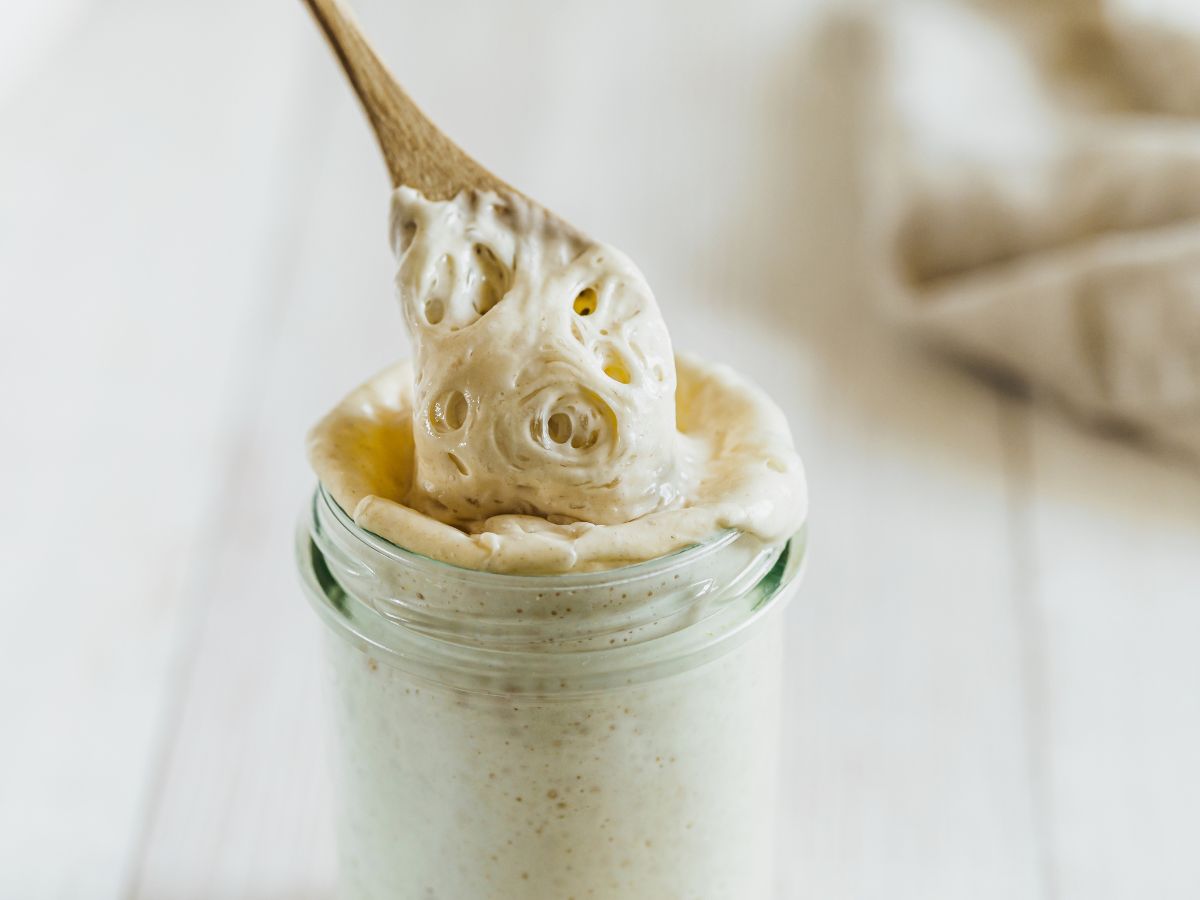
Caring for your sourdough starter is both an art and a science. I will walk you through step-by-step exactly how to feed and maintain your sourdough starter. It requires patience, practice, and attention to detail. Remember, every starter is unique, so don’t be discouraged by initial setbacks and know that most of the time a mistake can be remedied. Once you get the hang of it, you will be able to make just about any baked good with sourdough starter.
What Is A Sourdough Starter?
Before we delve into the care and feeding of sourdough starters, it’s important to understand what they are. Sourdough starters are natural fermentations of flour and water. They contain wild yeast and lactic acid bacteria that work together to leaven and flavor your bread.
This fermentation process not only provides great flavor, but it is also great for your health. Grains naturally contain a high amount of phytic acid. Phytic acid is needed for the plant to help protect it from damage while it is growing. However, phytic acid also protects the grains from being digested properly. When consumed raw, the phytic acid in grains, nuts, and seeds binds with calcium, magnesium, copper, iron, and zinc in the intestinal tract and blocks their absorption.
Not only does sourdough fermentation break down phytic acid, but it also decreases the gluten content in a grain. This is why those with gluten sensitivities are often able to tolerate sourdough. However, those with Celiacs disease should still use a gluten free flour as gluten is not completely removed when using sourdough techniques. The longer the fermentation process, the better! You can even put this recipe in the fridge, and allow it to ferment for 2-3 days. A longer fermentation can remove up to 90% of the gluten and the taste of a long fermentation is fantastic!
Besides breaking down defense chemicals which permits the absorption of more nutrients, the fermentation process in sourdough also generates a lot of beneficial bacteria. That beneficial bacteria lines the digestive tract and has been shown to aid with a variety of health conditions including autoimmune disorders, IBD, IBS, strengthening the immune system, and inflammatory conditions.
Feeding A Sourdough Starter
Once you have a mature starter, feeding and maintenance is essential for keeping it healthy and active. Follow these steps:
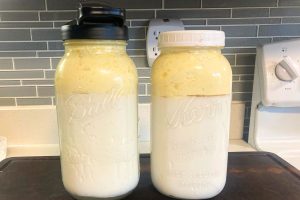
- Feed your sourdough starter 4-12 hours before you want to use the bubbly active starter. Feed with equal parts water and flour. A typical feeding ratio is 1:1:1 (starter:flour:water) or 1:2:2, depending on your preference.
- Place a cheesecloth, tea towel, or loose lid on top of the container. The starter needs access to some air in order to grow, expand, and aerate.
- Place in a warm spot in your house. It should be around 70 degrees. Don’t worry too much if it’s a little colder. Just know, it may take longer to get it to peak bubbly fermentation.
- If you don’t plan to use your starter for a while, place it in the fridge. It will keep for several weeks (probably the max I have done is 6) without feeding. When you want to use it again, simply pull it out of the fridge and feed it again.
Tips And Tricks For Successful Sourdough Feeding In a Jar
- Use a Kitchen Scale: While you can just use cups to measure out the ingredients, weighing is much more reliable. Weigh your starter, flour, and water for precision. More consistent feeding ratios will produce a healthy sourdough starter with a consistent texture for recipes.
- Discard and Feed: Remove about half of your starter before feeding. This is called discard and removing it will prevent your starter from becoming too larger. Discarded starter can be used in recipes like pancakes or waffles. Another way to ensure you don’t have large amounts of discard is to feed it according to the amount you will need for a recipe. This takes some practice but also prevents waste if you don’t plan to do anything with the discard.
- Mix Thoroughly: Ensure the flour and water are fully incorporated with the starter. This encourages even fermentation.
- Temperature Matters: Keep your starter at a consistent, moderately warm room temperature (around 70°F) when feeding. Cooler temperatures slow fermentation, while higher temperatures can make it too active. If your house is cool like mine is in the winter, find the warmest spot in your home to store it when feeding.
- Maintain a Regular Schedule: Aim to feed your starter every 12 hours. If that’s too frequent, feed it once a day. This type of feeding is only necessary if you need active sourdough starter. You can also store if fridge. See instructions above for storage in the fridge.
- Don’t Use Metal: Don’t store your sourdough in metal container or stir it with metal as the fermentation process can break down the metals which will cause issues with your starter. Store in glass and stir with wooden or silicone utensils (plastic is okay too although not my preferred method).
Why Isn’t The Sourdough Starter Rising??
If your sourdough starter is slow or not bubbling, there are a few ways to help get the starter going. This is especially common in newer sourdough starters or even when you transition your starter to a different type of flour that it’s not used to.
Try placing it in a warmer place or feeding it more often. Rather than every 12 hours, try every 8 or even less if it’s still sluggish. You can also add some whole wheat flour to kickstart fermentation if you’re not already using it.
Other Common Issues In Caring For A Sourdough Starter
Sourdough starters can be finicky, and problems can arise. Here’s how to troubleshoot some common issues:
Unpleasant Odor: A sourdough starter should have a pleasantly tangy aroma. If it smells off or foul, it may be overripe. Discard most of it and start a fresh feeding routine.
Hooch Formation: Hooch is a dark liquid that can accumulate on the surface of your starter. It’s a sign that your starter is hungry. Stir it back into the starter or pour it off before feeding. Stirring it in will give your starter an even stronger flavor but will also cause it to be thinner. You can add less water on the next feed to combat the extra liquid. Either way is fine, just know some adjustments may be necessary when stirring it in.
Mold Growth: In rare cases, mold may appear on the surface of your starter. Remove any affected portions, wash the container, and start fresh with the non-affected portions. Ensure cleanliness and aeration.




Leave a Reply